

The Great Silver Delusion: Why Geopolitical Panic Drives Investors to the Dollar
Not financial advice. For satirical purposes only.
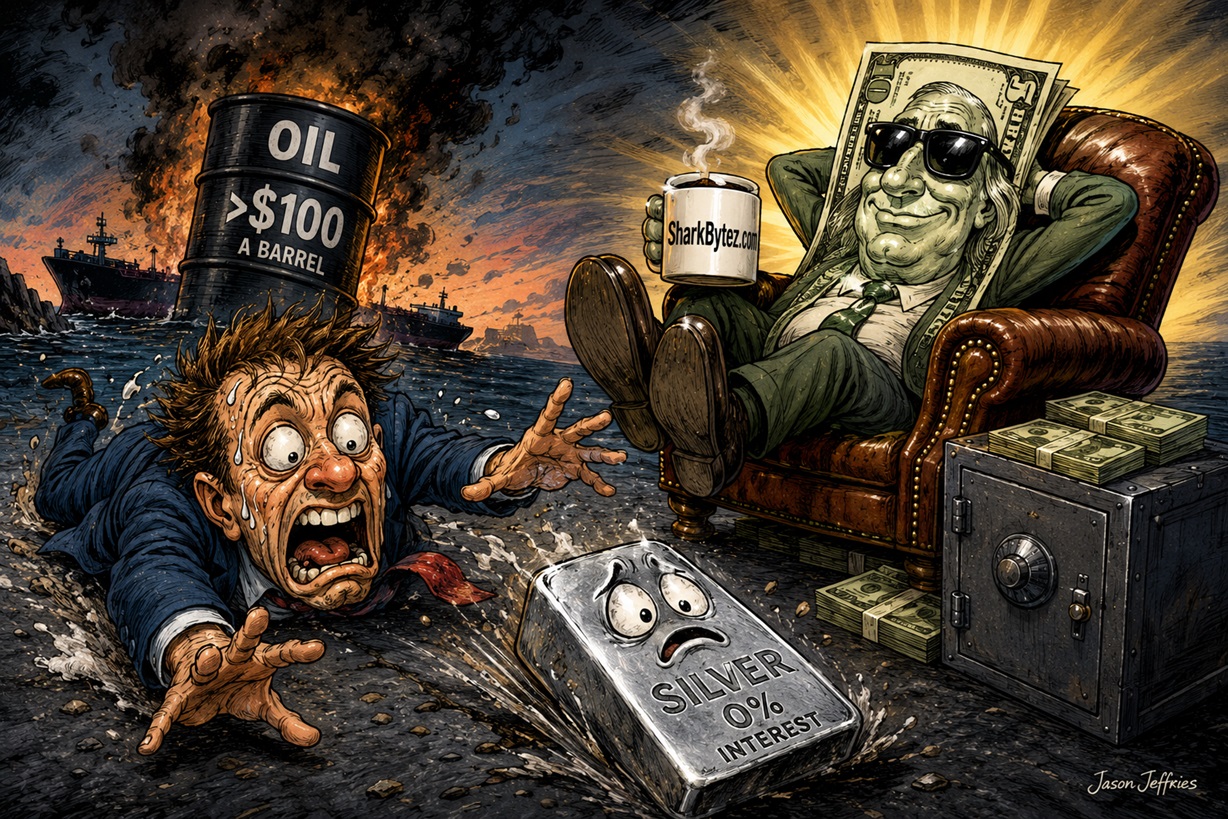
The Great Silver Delusion: When Panic Drives the DollarWe are witnessing a wonderfully bizarre, deeply hysterical meltdown in the theater of modern macroeconomics. Every time a geopolitical fuse gets lit, financial talking heads immediately throw on their doom-colored diapers, shouting from digital rooftops to hoard heavy physical bullion because the apocalypse is arriving. Yet, twice this year, the Strait of Hormuz slammed shut, crude oil breached the $100-a-barrel milestone, and global shipping ground to a halt. By textbook lore, silver should have rocketed into deep space. Instead, it took a spectacular, undignified faceplant straight into the hot asphalt.
The absolute comedy of modern panic is that nobody is sprinting into dark vaults to stack heavy rocks, preferring to run straight into the warm, interest-bearing embrace of the all-mighty U.S. dollar.The $100 Oil Trap-Door MechanismHere is the dark, structural joke under the hood: a massive supply-chain crisis isn't a launchpad for precious metals, it’s a beautifully designed financial execution chamber. When energy costs spike, the inflation alarms start screaming inside central banks, instantly vaporizing any lingering, hopeful dreams of interest rate cuts and replacing them with cold whispers of aggressive rate hikes. Because silver pays exactly zero interest, surging yields transform the metal into an absolute anchor weight pulling portfolios into the abyss. To double down on the absurdity, nearly 57% of global silver demand is entirely industrial, meaning a localized energy shock is a direct threat to global manufacturing growth, leaving silver to get brutally stripped and hammered coming and going while the greenback takes a flawless, mocking victory lap.
The Paper Panic vs. Structural RealityWhile leveraged retail day traders get violently liquidated chasing the morning headlines, the underlying physical math hasn't changed. Mine supply didn't magically burst out of the ground because of drone strikes, and the structural silver deficit—stubbornly projected to exceed 40 million ounces this year—isn't vanishing into thin air. The frantic, short-term paper liquidation is simply drowning out the long-term supply crunch. Confusing a two-week algorithmic margin call with a fundamental collapse is how emotional investors get stripped entirely naked and kicked out of the financial casino right before the eventual rebound.
The safe-haven play isn't entirely dead, but expecting a hyper-inflationary oil shock to behave like a cozy central bank bailout is sheer financial delusion.